

1
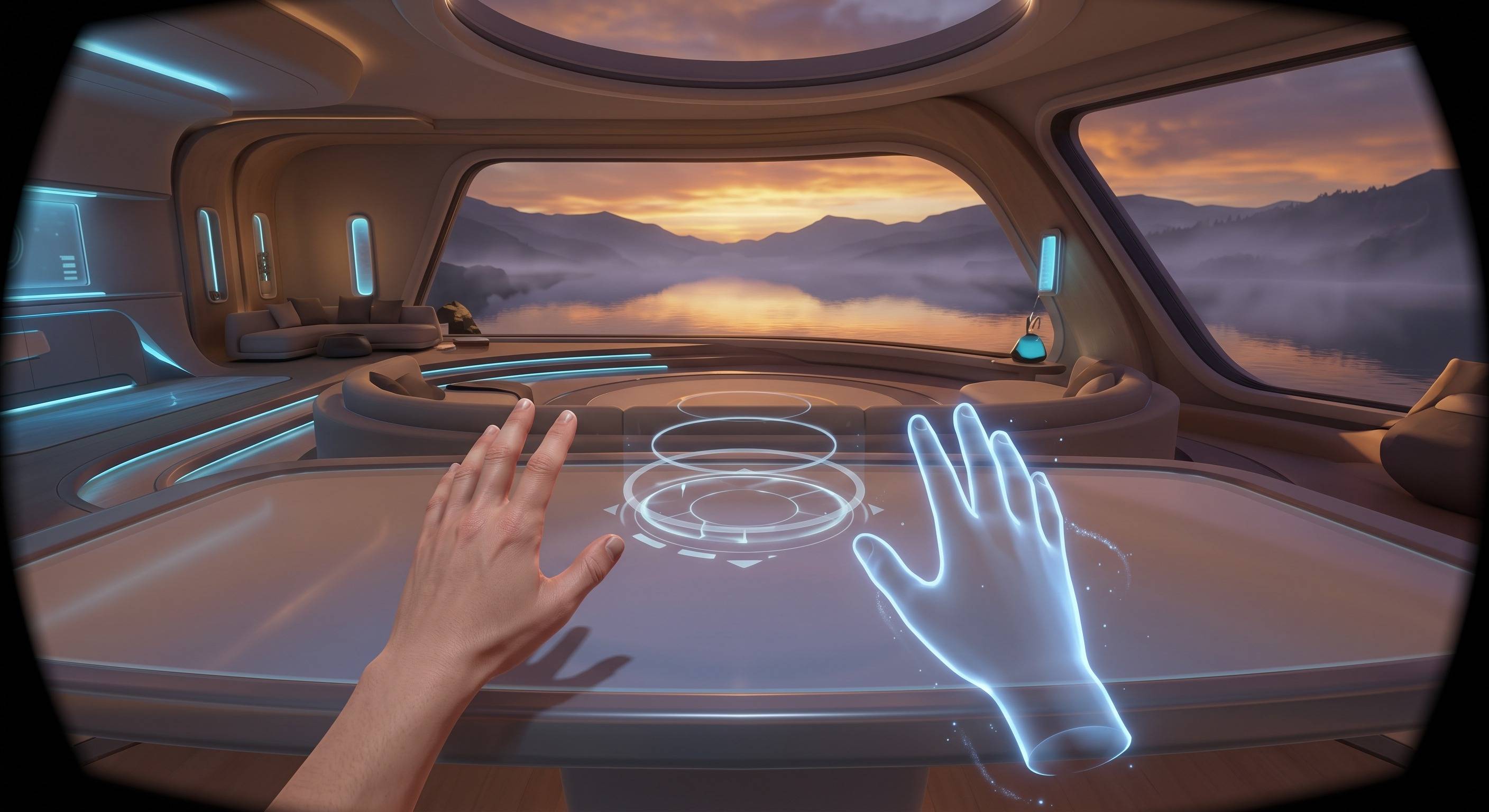
VR mirror therapy for phantom limb pain
The avatar reproduces the missing limb through motion tracking; helps reduce phantom pain.
Digital therapy platform · MedTech · Ukraine
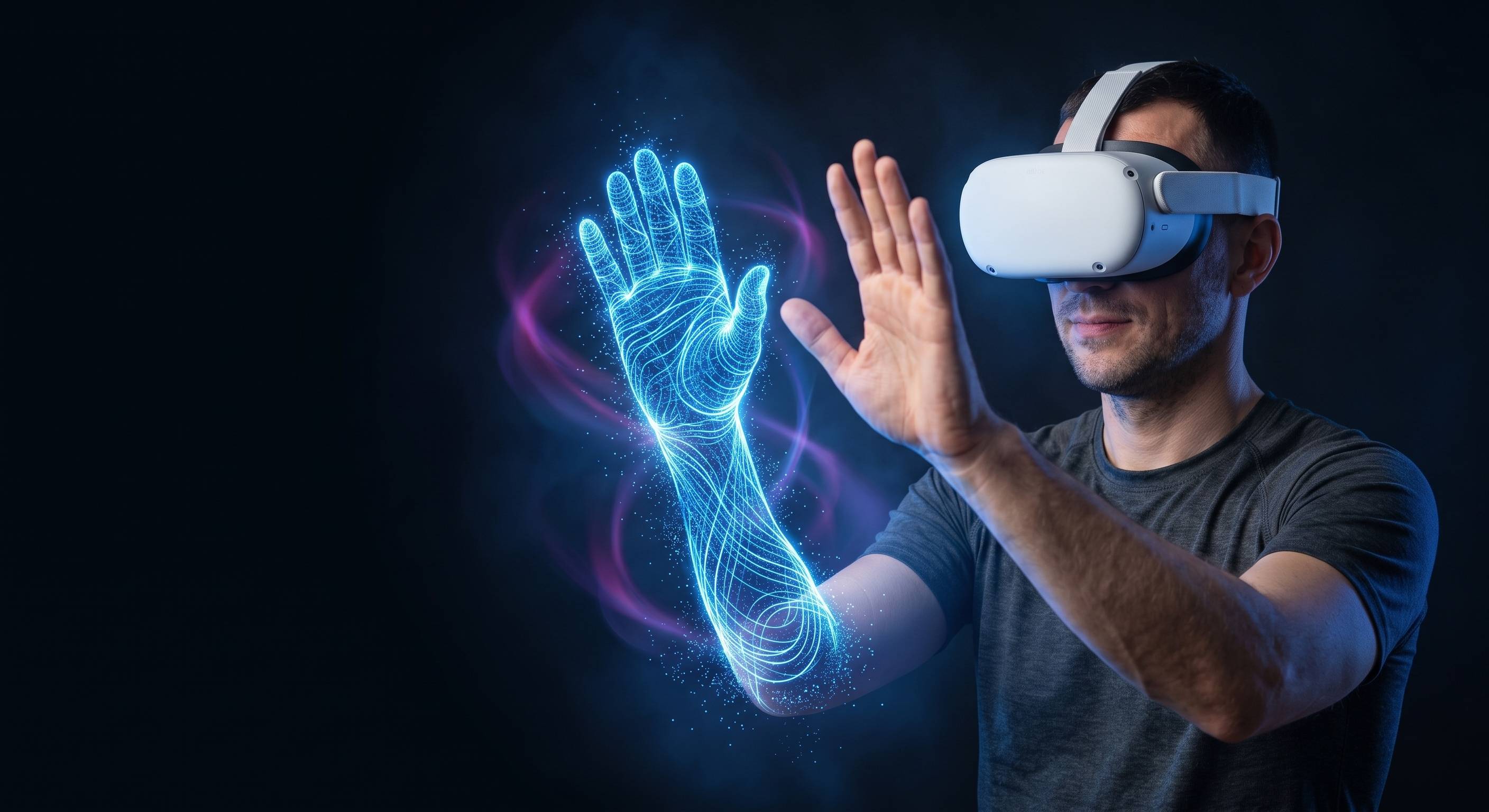
ReCode XR is a VR digital therapy platform for physical rehabilitation after injury, amputation and musculoskeletal trauma — clinically grounded exercises in a game-quality VR format — for the clinic first, and later for the home.
by
1 President of Ukraine, interview with Fox News, late July 2026 — LB.ua, 31.07.2026.2 Ministry of Health of Ukraine, via WHO; the same “over 100,000” estimate confirmed in 2026 — WHO Europe, 24.02.2025; Northwestern University, April 2026.3 Limakatso et al., PLOS ONE, 2020 — meta-analysis of 39 studies, 12,738 participants (global data) — PLOS ONE
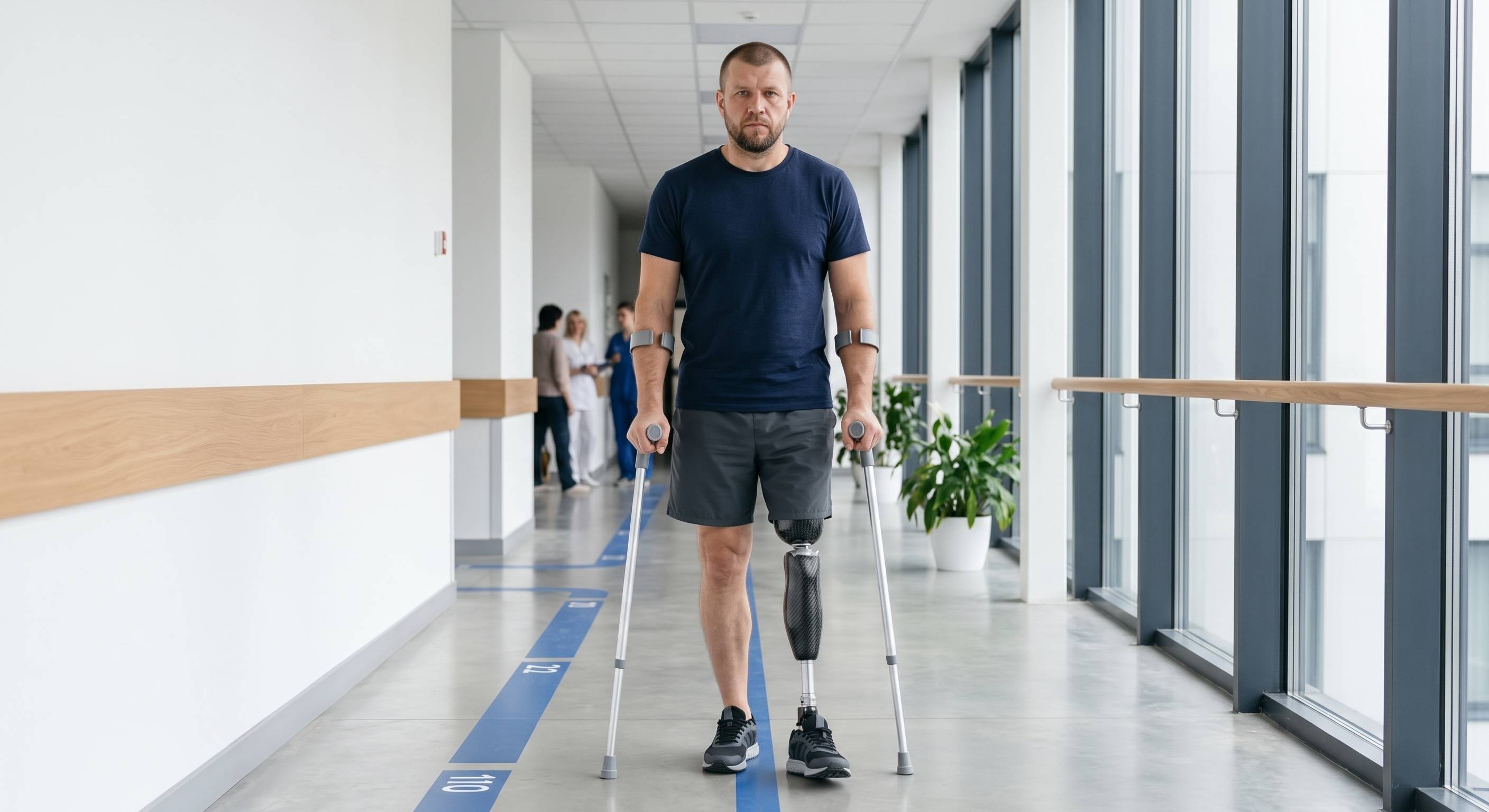
The number of patients recovering from injury and amputation has risen sharply in Ukraine.
Conventional rehabilitation is painful and monotonous — and it holds patients across a long course. Up to half of patients do not follow their home exercise programme.4
Phantom limb pain is widespread and inadequately addressed.
Clinicians have no objective remote monitoring between visits.
International solutions are not localised for Ukraine; local ones are often expensive and weaker on engagement.
4 Argent, Daly, Caulfield, JMIR mHealth uHealth, 2018 — 30–50% in musculoskeletal cohorts — JMIR
Where the gap in the rehabilitation process opens up
The patient completes acute treatment and is referred to rehabilitation.
The clinician builds an exercise programme for functional recovery, pain reduction and adaptation.
Between sessions the patient loses motivation and exercises irregularly, and the clinician cannot see the full picture of progress.
ReCode XR is embedded into the clinical process, making exercises more engaging, more structured and measurable.
After clinical testing the platform extends into home use under remote clinical supervision.
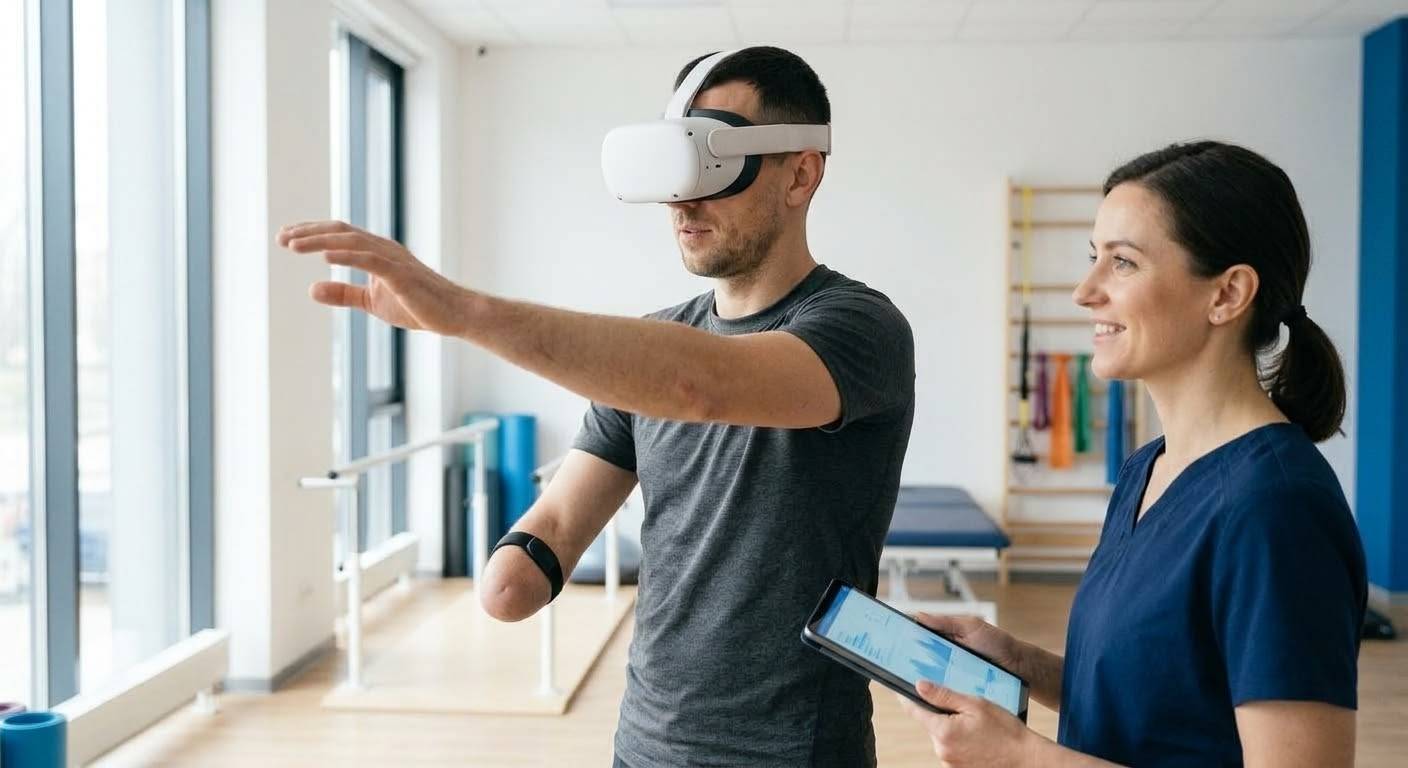
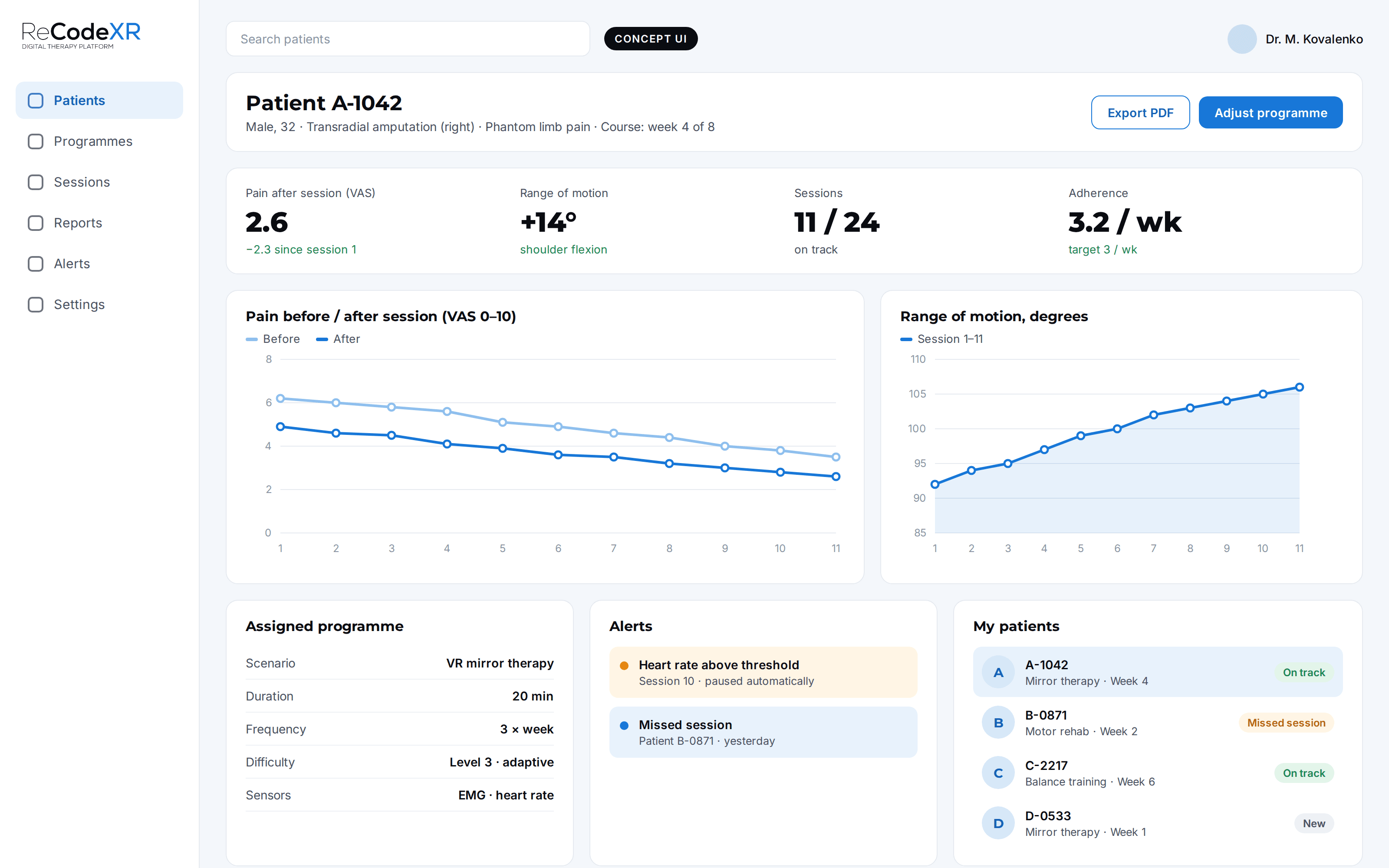
ReCode XR turns rehabilitation exercises into clinically grounded VR scenarios with gamification, biofeedback and a clinician dashboard. The patient goes through therapy in VR at the clinic — and, in the next phase, at home — while the clinician sees progress, receives metrics and can adjust the load remotely.
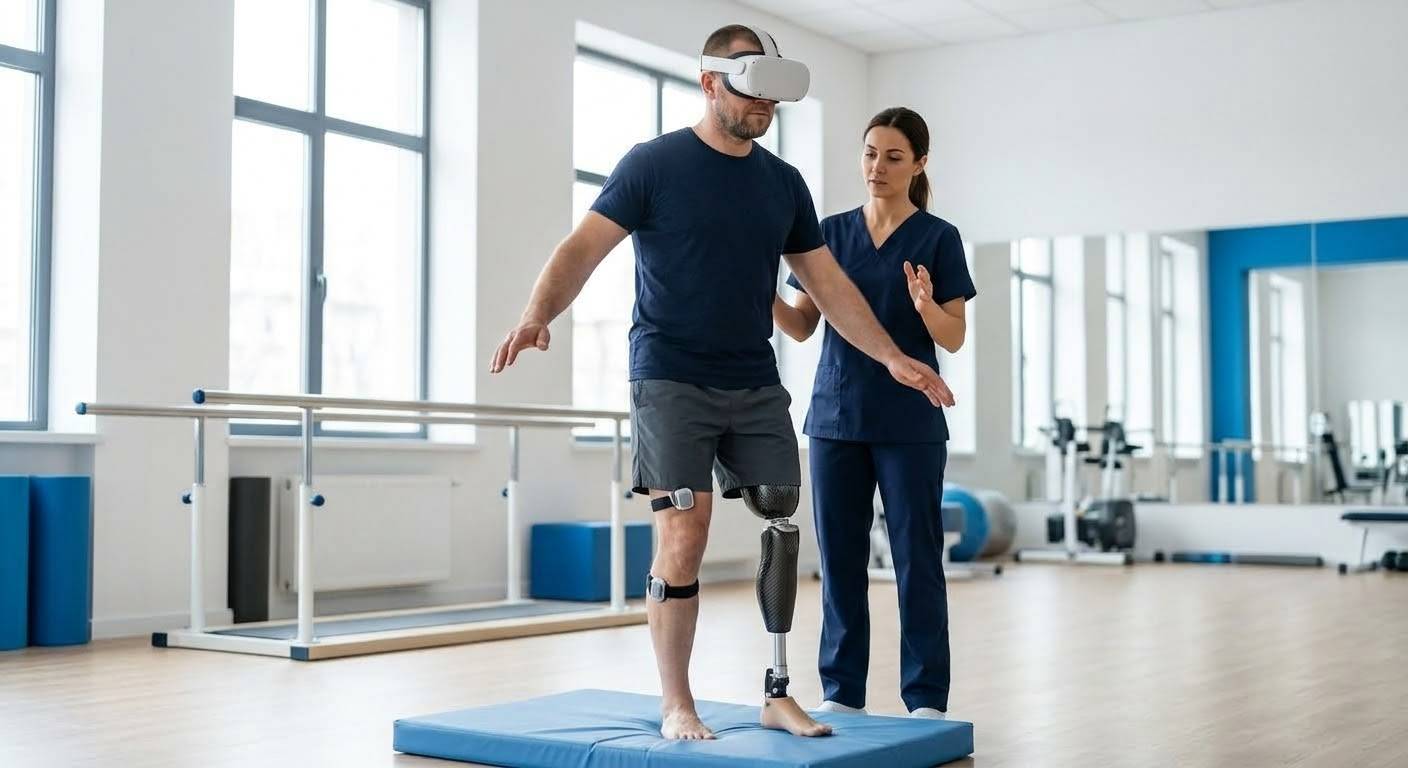
AAA-level visuals, personalised avatars, RPG progression.
Clinical scenarios built with rehabilitation specialists; objective metrics + pain scales.
Physical rehab, psychological support and patient community in one platform.
Clinic first, home next; Ukrainian localisation; affordable standalone hardware.
Five modules of one platform
The avatar reproduces the missing limb through motion tracking; helps reduce phantom pain.
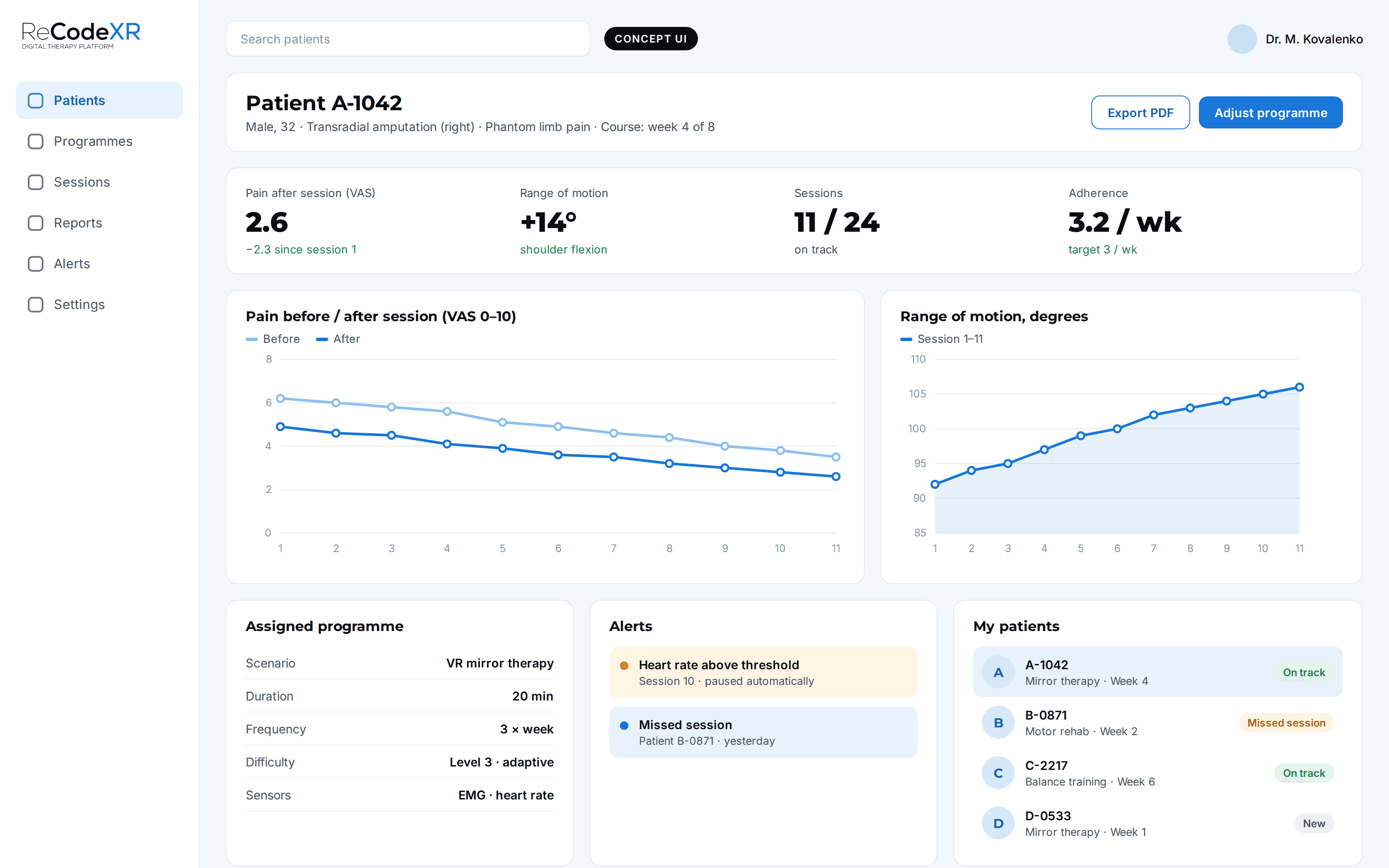
Real-time movement data, immediate feedback, objective metrics instead of subjective observation.

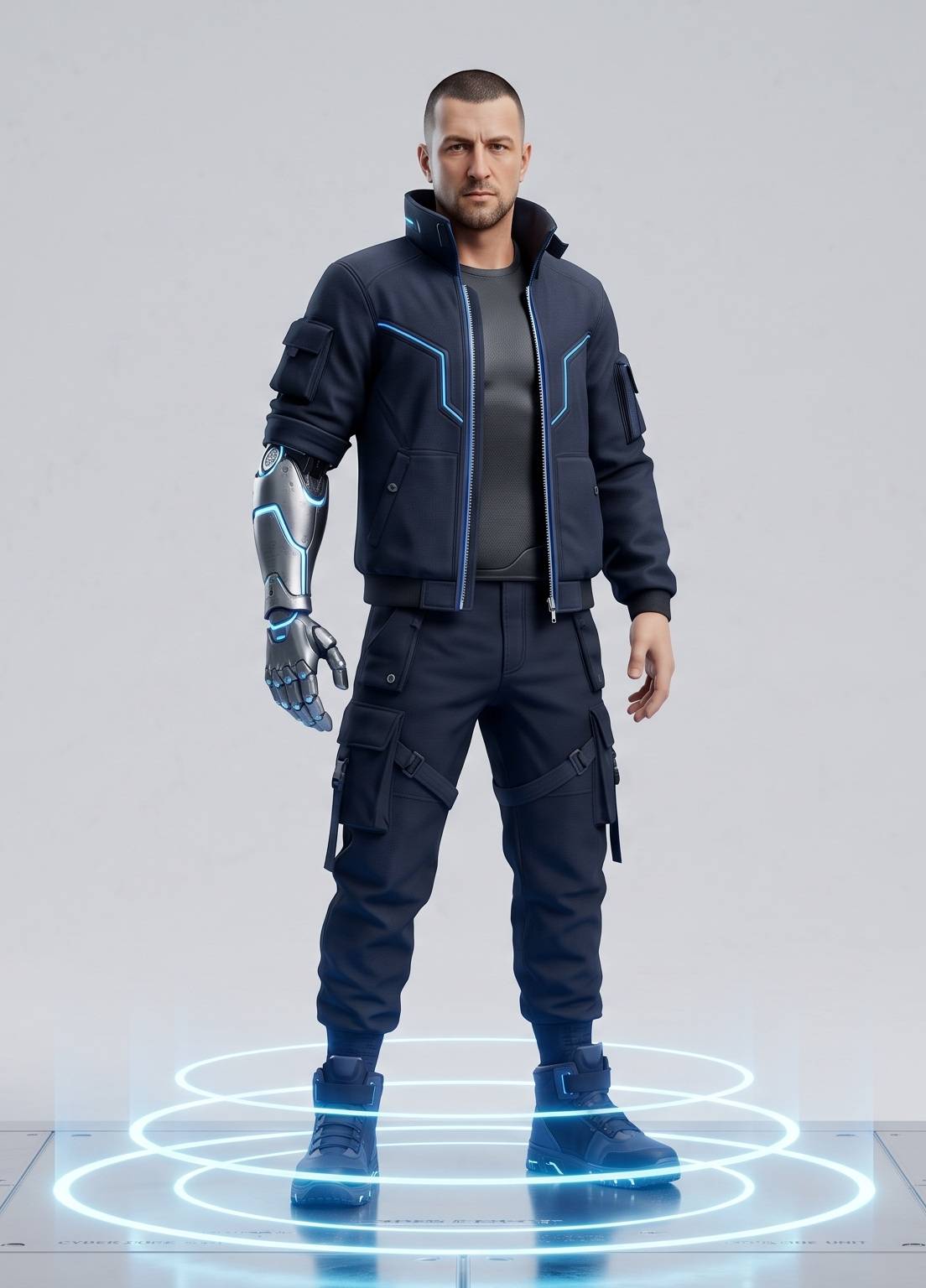
Personalised avatar · RPG progression
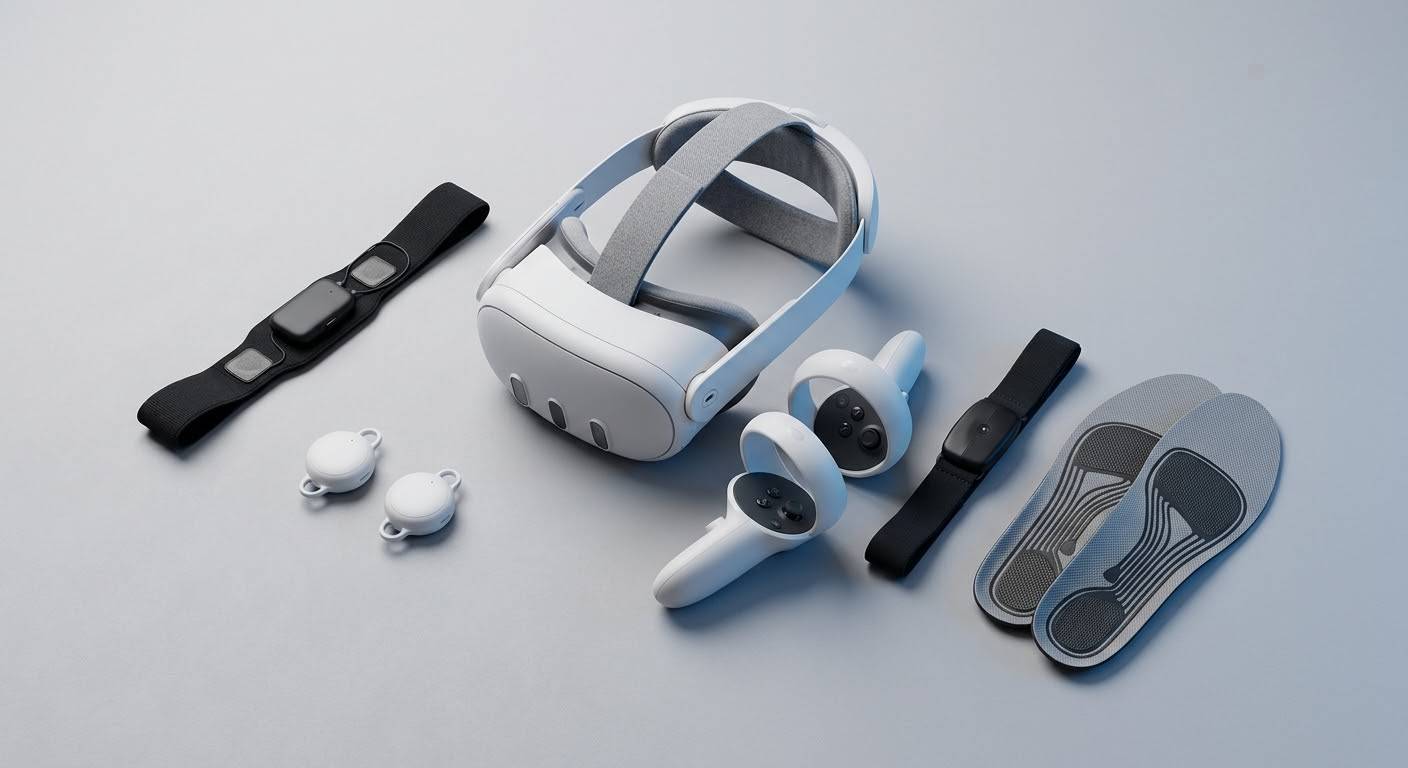
EMG, heart rate and IMU sensors; difficulty and load adjusted remotely.
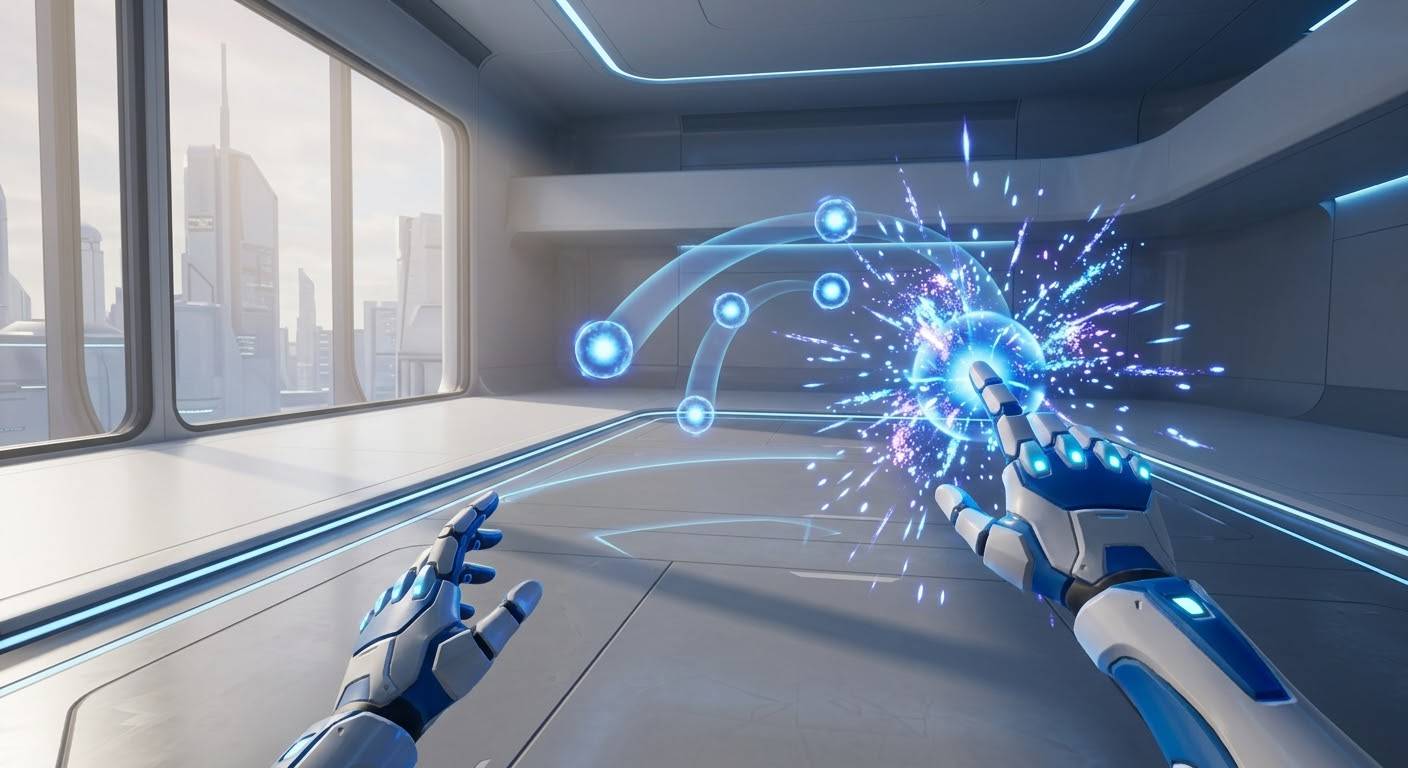
Monotonous exercises become game goals: more motivation, better adherence.
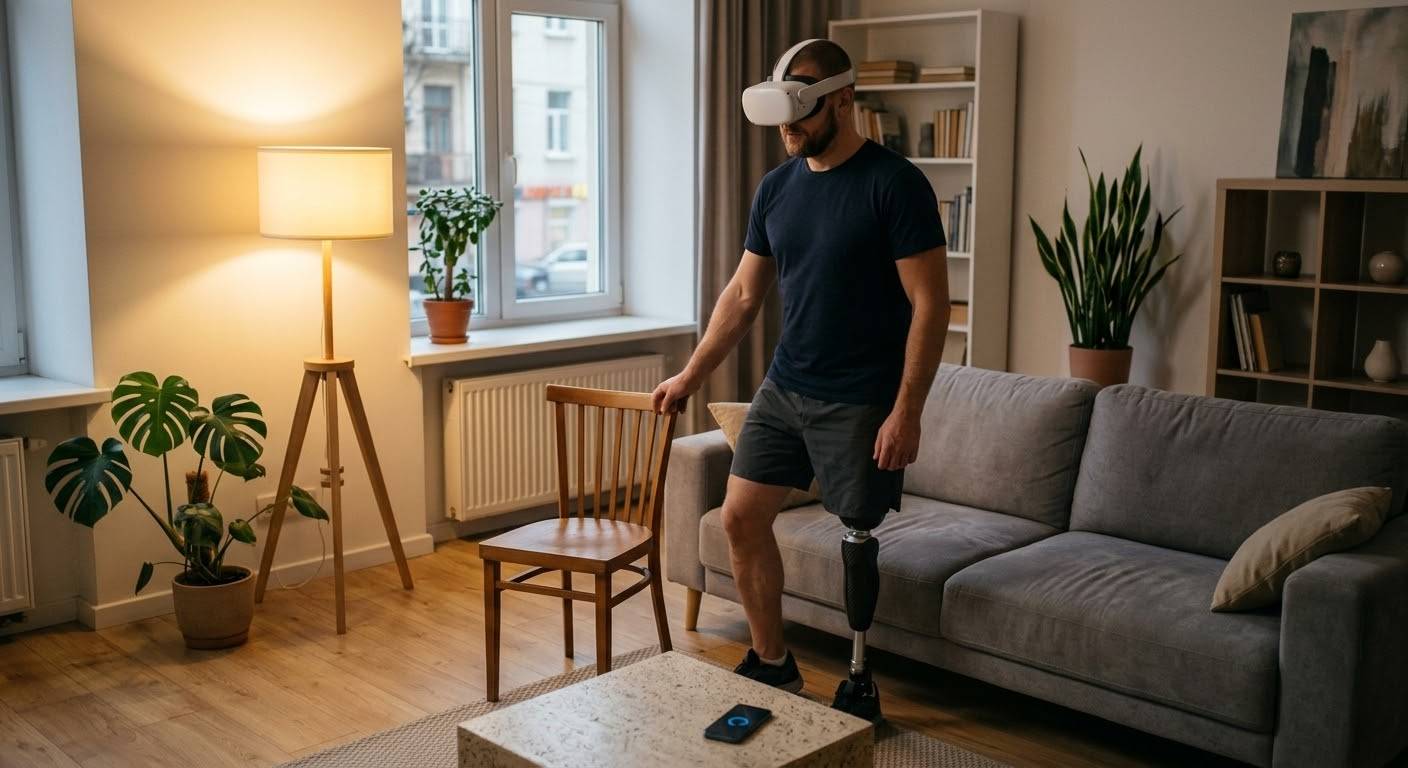
No fixed equipment; the course continues between clinic visits under remote clinical supervision.
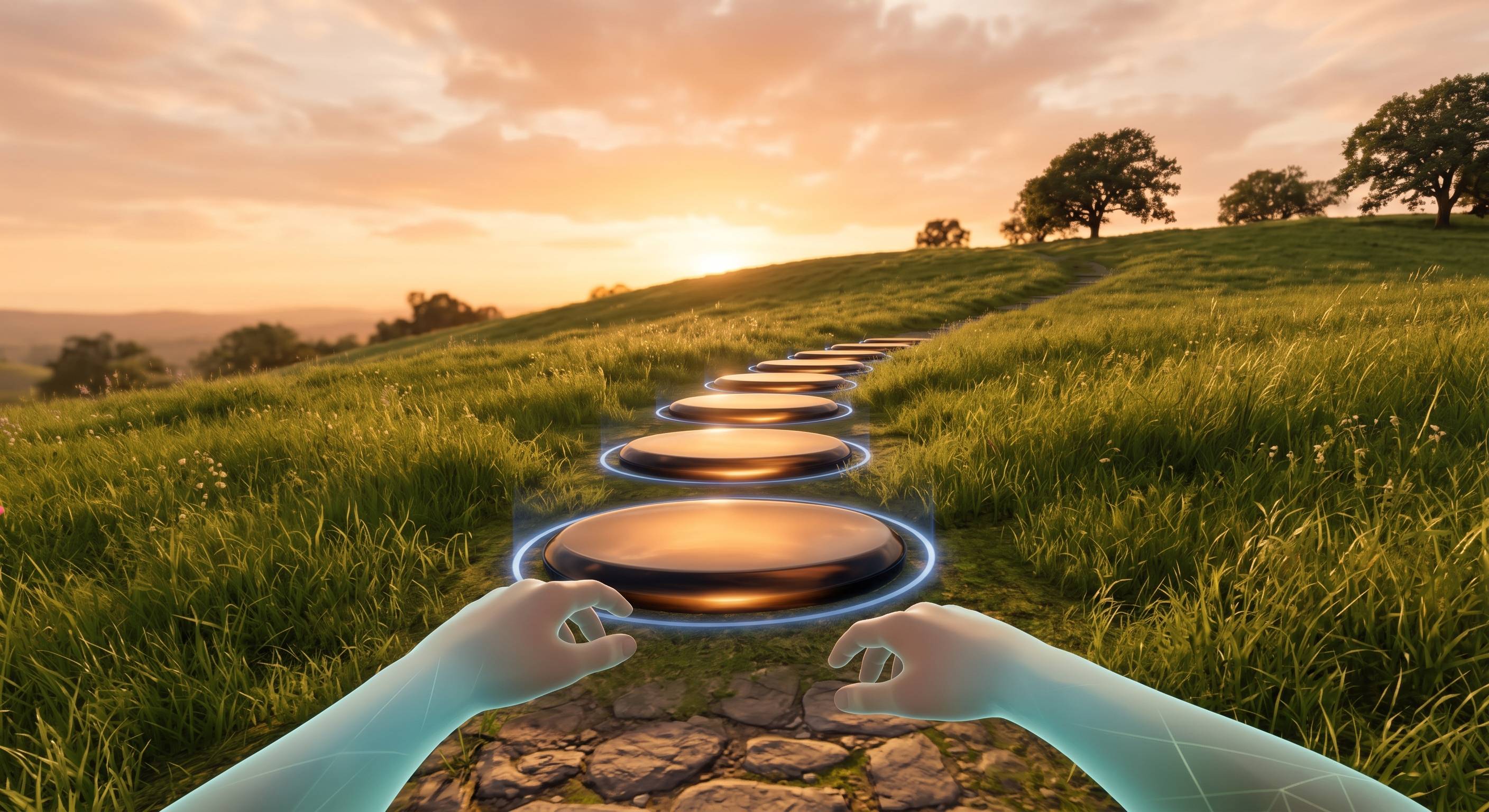
Clinical scenarios — the first two are in the MVP

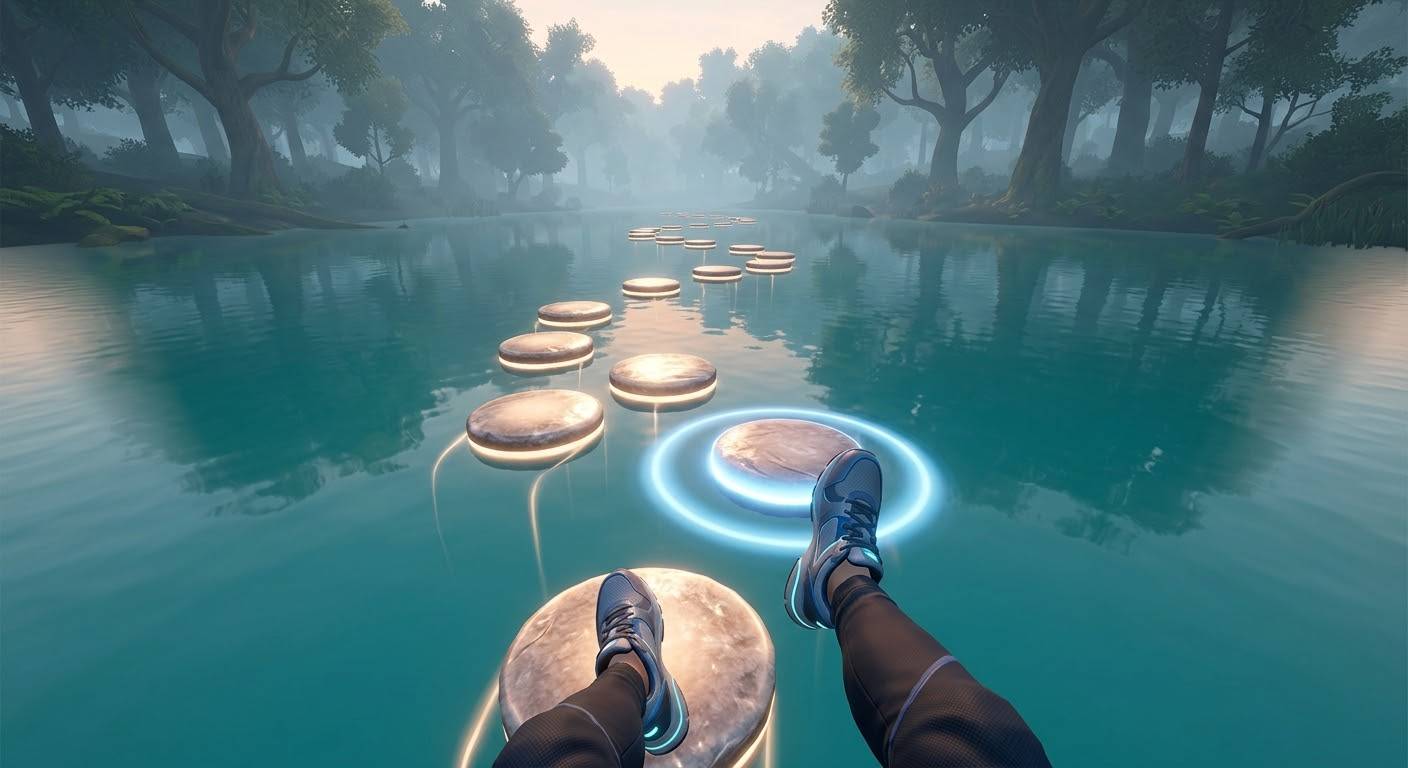
Modules for cognitive rehabilitation (TBI) and psychological support are planned as add-ons for patients with multiple trauma.
What published research says about VR therapy
14 / 15
studies show phantom pain reduction with VR mirror therapy
Hali, 2024
35–50%
pain reduction in burns · 16 RCTs, N=535
Hoffman / Patterson, 2022
190
studies, 7,188 stroke patients — VR improves limb function
Cochrane, 2025Phase 2
VR improves range of motion, coordination and balance after MSK injury
Multiple RCTs
Pain before and after each session, range of motion, and how many patients complete the course.
These outcomes will be measured during the clinical pilot.
Data refer to VR therapy in general, not to ReCode XR specifically. ReCode XR clinical validation is planned during the MVP pilot.
Tier 1 — priority MVP cohort
Tier 2 — expansion after MVP
Serviceable market
50–100 facilities
within 2–3 years (rehab centres, military hospitals, veteran programmes, donor-funded rehabilitation)
$1.02B
virtual rehabilitation market in 2026
$2.46B
by 2030
24.6%
CAGR
2024–2026forecast
Source: The Business Research Company, Virtual Rehabilitation Global Market Report 2026.6
| — | Game-quality visuals | Focus on injury & limb loss | Ukrainian localisation | Affordable for UA market | Home use | FDA/CE/MoH certification | Own clinical validation |
|---|---|---|---|---|---|---|---|
| MindMaze | — | — | — | — | available | available | available |
| XRHealth | — | — | — | — | available | available | available |
| VRNOW | — | available | available | — | — | available | available |
| ReCode XR | in development | available | available | target | next phase | planned | planned (MVP pilot) |
✓ available · ◐ in development / planned · ○ not yet
Where ReCode XR is different: game-quality visuals, Ukrainian localisation, a focus on injury and amputation, a planned home-use scenario, and a more affordable model in place of expensive specialised hardware.
Buyer / implementer
Deploy the platform, manage patients, use the dashboard.
Payer / sponsor
Fund access, licences or equipment for rehab programmes for the wounded and veterans.
Partner / channel
Access to the audience, partnerships, launching programmes.
End users
Rehabilitation at the clinic (and later at home), more engaging and continuous.
Licence or SaaS subscription for clinics and rehab centres; first step — pilot contracts; scaling through foundations, government programmes (MoH, MoD, Ministry of Veterans Affairs) and partner deployments.
Home subscription after therapy at the clinic; acquisition via clinician referral.
Market & clinical research, expert interviews with clinicians, product concept defined, first advisers on board
1–2 therapeutic scenarios, basic clinician dashboard, analytics
Full patient–clinician loop, testing with 2–3 clinical partners
Core set of modules, deployment in Ukrainian rehab centres & hospitals
Home use, stroke and other cohorts, EU & US markets
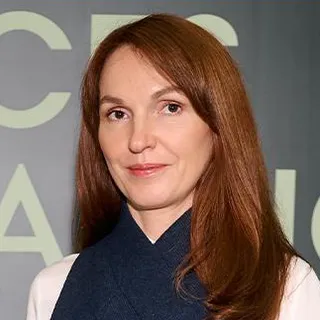
Chief Executive Officer · Founder of ReCode XR
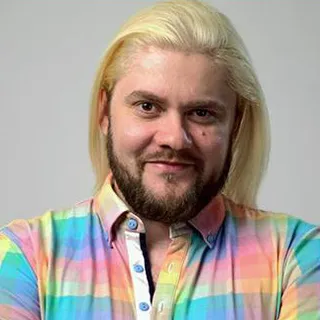
Chief Product Officer

Chief Technical Officer
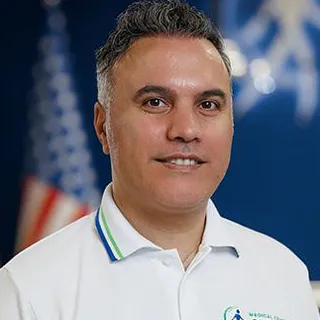
Lead rehabilitation expert
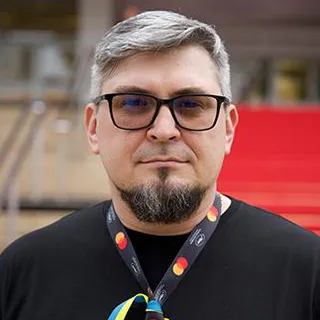
Art Director
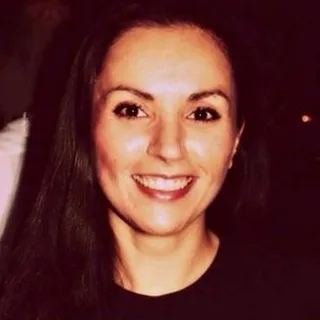
Medical expert · Project Manager
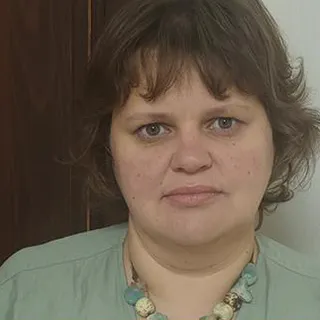
Medical expert · Psychotherapist

UE5 Developer

Creative technology studio producing CGI, virtual production and XR solutions for brands, events and media (20+ years of CG experience).

Medical Center Orthotics & Prosthetics — nationwide centre for modern prosthetics and rehabilitation, including complex clinical cases.

International charitable foundation running humanitarian and social programmes in medicine.
Interested in ReCode XR? Let's talk.
Kateryna Karmalita
CEO · Ukraine
Dmytro Terokhin
CPO · Poland